Seto Inland Sea
The sea of islands — 700+ isles between Honshu, Shikoku and Kyushu
Setonaikai — Japan's Inland Sea
The Seto Inland Sea, or Setonaikai (瀬戸内海), stretches approximately 450 kilometres between the islands of Honshu, Shikoku, and Kyushu, forming the largest body of enclosed water in Japan. Scattered across its calm, sheltered waters lie more than 700 islands — ranging from substantial inhabited landmasses to tiny uninhabited rocks draped in pine forests.
Designated as Japan's first national park in 1934, Setonaikai National Park encompasses the sea and its surrounding coastlines in recognition of their extraordinary natural and scenic beauty. The gentle, island-dotted seascape has captivated artists, poets, and travellers for centuries, and its distinctive silhouette — soft hills rising from impossibly blue water — remains one of Japan's most iconic vistas.
Historically, the Seto Inland Sea served as the primary artery of maritime trade and communication in ancient Japan. Merchant vessels, fishing boats, and military fleets navigated these island-threaded channels for over a millennium, giving rise to prosperous port cities, unique regional cultures, and a rich tradition of seafaring craftsmanship. The sea shaped the economies of entire civilisations, from the Nara period through the age of feudal lords.
Today the region is celebrated as a hub of contemporary art. A loose archipelago of art islands — Naoshima, Teshima, Inujima, and others — hosts extraordinary museums, site-specific installations, and a vibrant arts festival, drawing visitors from around the world who come seeking culture amid the calm of this ancient sea.
Must-Visit Islands
From sacred Shinto shrines to cutting-edge contemporary art, each island of the Seto Inland Sea offers its own distinct character and unforgettable experiences.
Miyajima
Also known as Itsukushima, this sacred island has been a place of Shinto worship for over 1,400 years. Its famous floating torii gate rises dramatically from the sea at high tide.
★ Itsukushima Shrine (UNESCO)Naoshima
The epicentre of the Seto Inland Sea art scene. Naoshima is home to the Benesse Art Site, Chichu Art Museum, and iconic installations by some of the world's greatest artists.
★ Chichu Art MuseumTeshima
A once-polluted island transformed into a symbol of environmental recovery and artistic vision. The Teshima Art Museum — a concrete shell holding a spring — is an unforgettable space.
★ Teshima Art MuseumInujima
A tiny island with a dramatic industrial history. An old copper refinery has been transformed into the Inujima Seirensho Art Museum, blending ecological art with industrial heritage.
★ Inujima Seirensho Art MuseumOmishima
Considered the guardian of the Seto Inland Sea, Omishima is home to Oyamazumi Shrine, one of Japan's most ancient and important Shinto shrines, housing a priceless collection of samurai armour.
★ Oyamazumi ShrineShodoshima
The second-largest island in the Seto Inland Sea, famed for its olive groves, soy sauce breweries, and scenic Angel Road — a sandbar that connects to a smaller island at low tide.
★ Olive Park & Angel RoadOshima
A quiet island known for its healing onsen and the touching history of Oshima's Hansen's disease sanatorium. Its peaceful forests and coastline offer a reflective, unhurried retreat.
★ Setouchi Healing OnsenTokunoshima
Lying at the southern edge of the Seto chain, Tokunoshima is celebrated for its bullfighting traditions (tōgyū), vibrant subtropical nature, and the tenacious spirit of its islanders.
★ Traditional Tōgyū BullfightingThe Art Islands of Setouchi
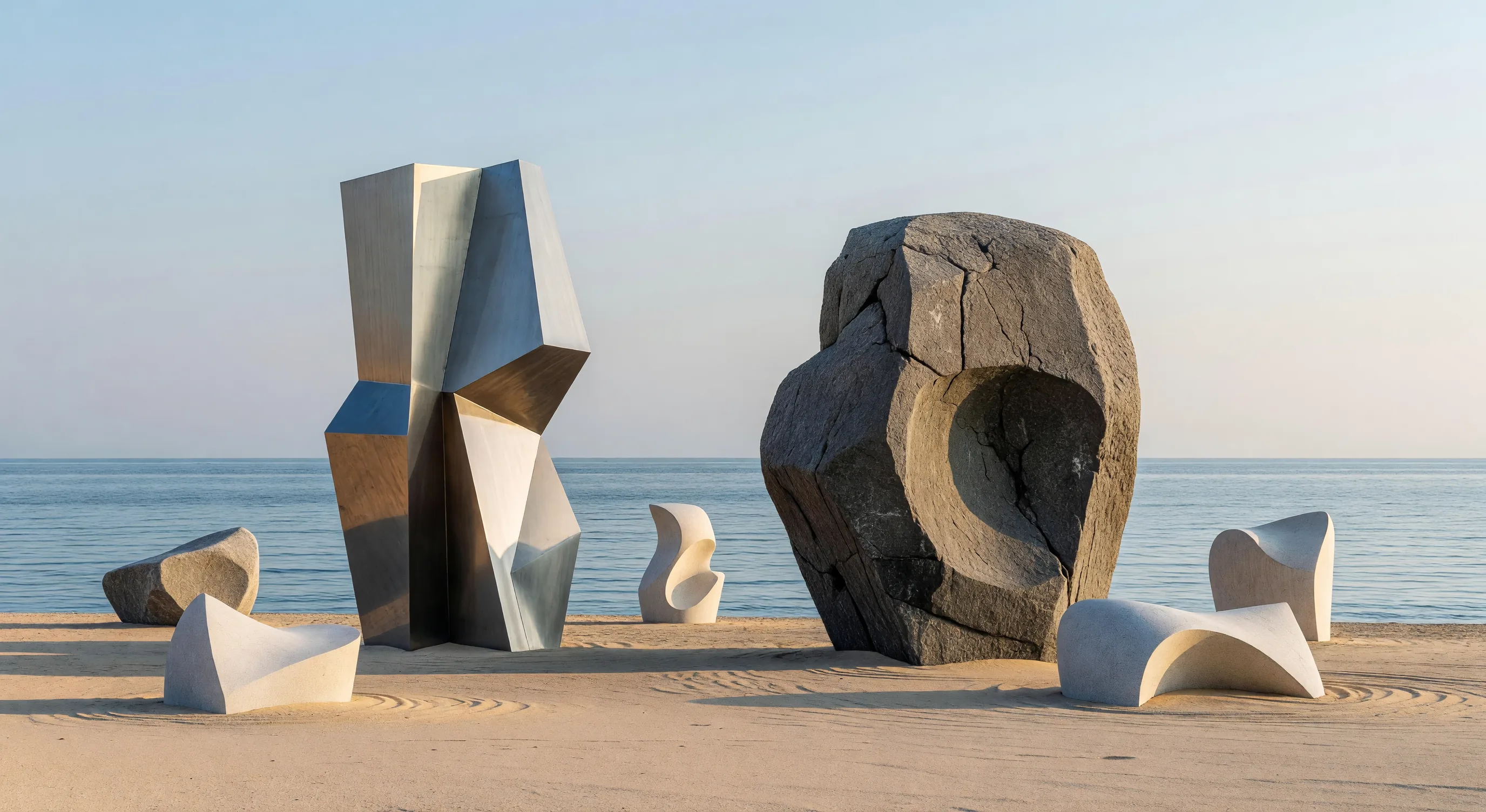
The Setouchi Triennale is an international contemporary art festival held every three years across a scattering of islands in the Seto Inland Sea. Since its inaugural edition in 2010, the festival has become one of Asia's most important cultural events, attracting hundreds of thousands of visitors from across the globe.
The festival's founding vision was one of revitalisation — using art to breathe new life into depopulating island communities. Local residents collaborate directly with artists, architects, and designers to create site-specific works that respond to each island's unique history, landscape, and community character. Many installations remain permanently after the festival closes.
Key venues include Naoshima's Benesse Art Site, the Chichu Art Museum designed by Tadao Ando, and art houses scattered through the traditional village of Honmura. Teshima, Inujima, and Ogijima each contribute unforgettable works by artists including Yayoi Kusama, James Turrell, Walter De Maria, and many others.
Historical Timeline
The Seto Inland Sea has been at the heart of Japanese history for over a millennium — a highway of culture, commerce, and conflict.
Ferry Routes
Ferries are the lifeblood of the Seto Inland Sea. Regular services connect the mainland to the art islands and beyond.
Travel Tips
Spring (March–May) and autumn (September–November) are the finest seasons. Spring brings warm temperatures, blooming flowers, and uncrowded islands before summer humidity sets in. Autumn offers golden light, comfortable cycling weather, and spectacular evening colours over the sea. Summer is popular but hot and humid. Winter is mild and quiet — excellent for those seeking solitude.
Ferries are the primary means of island hopping. Purchase tickets at port offices before boarding — advance booking is recommended for weekends and the Triennale period. The Setouchi Shimanami Kaidō (しまなみ海道) expressway connects Onomichi to Imabari via six bridges and is world-famous for cycling. Consider combining ferry travel with the Shimanami cycling route for the ultimate Seto Inland Sea experience.
The Setouchi Triennale is held across three seasons (spring, summer, autumn) every three years. The 2025 edition is the most recent. During festival periods, ferries become extremely busy — book accommodation well in advance, especially on Naoshima and Teshima. Passport tickets granting access to all artworks offer the best value. Outside of Triennale years, permanent installations at Naoshima, Teshima, and Inujima remain open year-round.
The Shimanami Kaidō is Japan's trusted cycling route — a 70km island-hopping path across six bridges from Onomichi (Hiroshima Prefecture) to Imabari (Ehime Prefecture). Rental bicycles are available at both ends and at intermediate islands. Electric bicycles are recommended for those not accustomed to hilly terrain. Many islands also offer local cycling routes; Naoshima and Shodoshima are particularly enjoyable on two wheels.
For authentic island stays, choose family-run guesthouses (minshuku) or traditional inns (ryokan) on smaller islands rather than mainland hotels. Naoshima's Benesse House Museum offers the unique experience of sleeping within a contemporary art museum — book months in advance. Budget travellers will find good-value guesthouses on Shodoshima and Teshima. Most smaller islands have limited accommodation, so early booking is essential, especially during peak season.